Local Materials for Greener Flower Arrangements
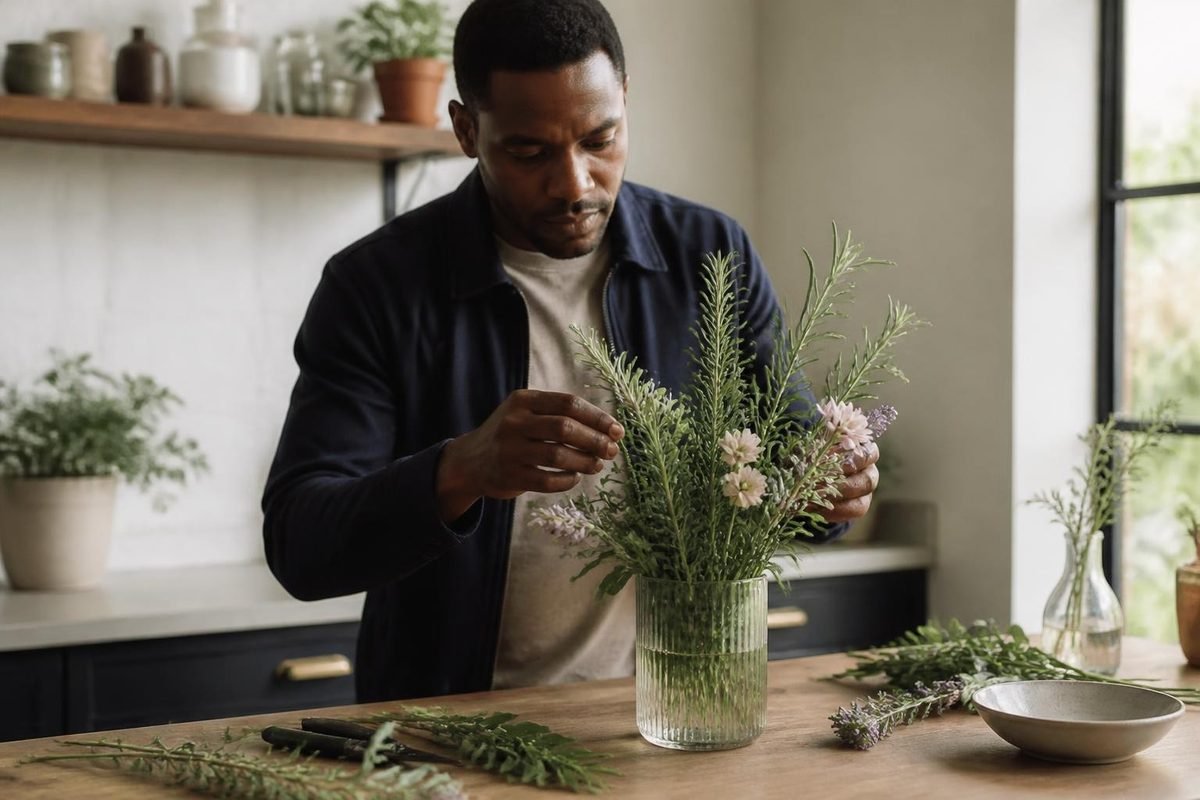
Locally grown leaves, herbs, branches and dried stems can take the place of imported greenery in many flower arrangements. The right choice depends on the season, the look you want and how long the stems must stay fresh.
Gather leaves from nearby growers and gardens
Ask local flower growers which leafy materials they harvest along with their blooms. Depending on the place and time of year, they may have flowering shrubs, ornamental grasses or leafy branches. Garden cuttings can work too, but first make sure you know what the plant is and that it has not been sprayed with a chemical that makes it unsafe to handle.
Select stems with sturdy leaves and no clear signs of pests or illness. If you can, gather a mix of types. Broad leaves can form a frame around the flowers, and finer foliage can fill small spaces without making the arrangement look crowded. Choosing locally grown stems supports a shorter supply chain. Their overall environmental effect still depends in part on growing methods and transport.
Use herbs for fragrance and shape
Rosemary, sage and mint are useful alternatives to standard greenery in smaller displays. Rosemary has slim leaves on woody stems, while sage brings softer, wider leaves. Mint contributes a fresh smell, though its tender stems may droop soon after cutting.
Herbs often suit table arrangements because they work well in low vases. Do not use them as food unless they were grown and handled for eating. Remove leaves that would sit under the water, and start with a clean vase to help prevent the water from becoming cloudy.
Choose branches that are in season
Branches can add height and a clear outline without imported leaves. Willow, fruit trees and other garden cuttings may be available locally, depending on the season. A bare twig can be effective too, especially if you want an airy shape rather than a thick layer of greenery.
Get permission before cutting branches, and do not take material from protected plants or natural areas. Choose a sharp tool that suits the stem, then put freshly cut ends in water without delay. For a heavy branch, use a vase with enough stability to keep the display upright.
Add texture instead of extra leaves
Leaves are not the only way to bring fullness to a bouquet. Grasses, seed heads and small local flowers can create movement and fill spaces among larger blooms. They usually look lighter than a dense ring of foliage, so add a few stems first and build up only where the arrangement needs them.
Dried stems can be used again in displays that do not require water. Keep them in a dry place and move them carefully because they can become brittle. Before reusing stored stems, look for signs of insects or mold.
Common questions about local greenery
Is it always suitable to gather wild foliage?
No. Confirm the plant’s identity, ask permission and check the rules that apply in your area before taking any cuttings. Leave plants alone where removing material could damage wildlife or reduce the plant population.
What helps cut greenery stay fresh?
Work with clean tools and a clean vase, take off leaves below the water and replace the water regularly. Vase life varies between plants, so try unfamiliar stems before relying on them for an event.
Can I use every plant from my garden?
No. Some plants have sap that irritates, sharp parts, or poisonous leaves and berries. Check each plant’s identity and any handling risks, especially if children or pets may be nearby.
Worth a look: local SEO for florists
Ends · GARDENDIARY35